 English
 Français
 Pусский
 Español
 Português
 ไทย
 العربية
 िन्दी
 Indonesia

Soluciones personalizadas para el mantenimiento de vías


When You Should NOT Use a Sleeper Gripper: Ballast Density Limits for Mechanical Sleeper Replacement
Meta Title: When You Should NOT Use a Sleeper Gripper | Ballast Density Limits for Mechanical Sleeper Replacement
Meta Description: Sleeper grippers deliver fast sleeper replacement yet have firm ballast-density working boundaries. Understand failure modes, pre-loosening workflows for compacted and fouled track, and host-machine selection criteria for night-time possession work.
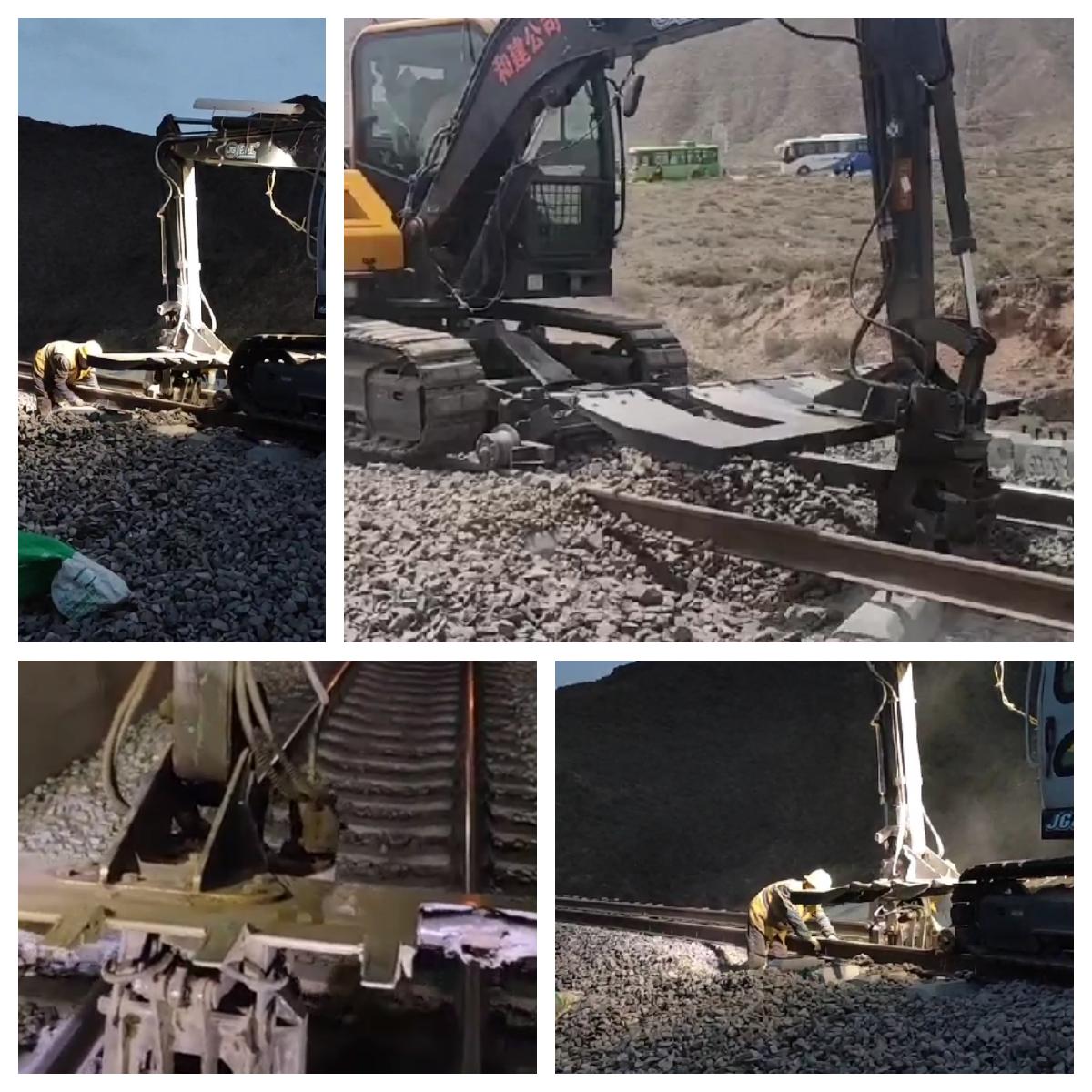
For railway maintenance contractors, excavator-mounted sleeper grippers have become the preferred attachment for fast sleeper renewal. They clamp, lift and extract old sleepers quickly, cutting labour cost and saving valuable time within tight possession windows. Many buyers assume this hydraulic grab works on every track section. However, field data from North America, Europe and Southeast Asian ballasted tracks tells a different story. A sleeper gripper may fail or even damage track structure once ballast density exceeds its working limit. Many costly site delays stem from misjudged ballast conditions before possession windows open — rather than from equipment breakdown itself. Understanding these boundaries keeps on-track work safe, avoids costly track geometry defects, and helps you decide whether to use a sleeper gripper directly or prepare a sleeper rake for pre-work before the night shift.
Most sleeper grippers on the market are designed for loose, well-ventilated ballast. The working principle is straightforward: jaws grip the sleeper firmly, and upward force separates the sleeper from surrounding ballast. This only works when voids exist around and under the sleeper. After years of train loading, ballast stones interlock and compact tightly, forming a rigid shell that locks the sleeper in place. When the gripper pulls upward, the force can no longer separate sleeper from ballast, and three typical failures occur.
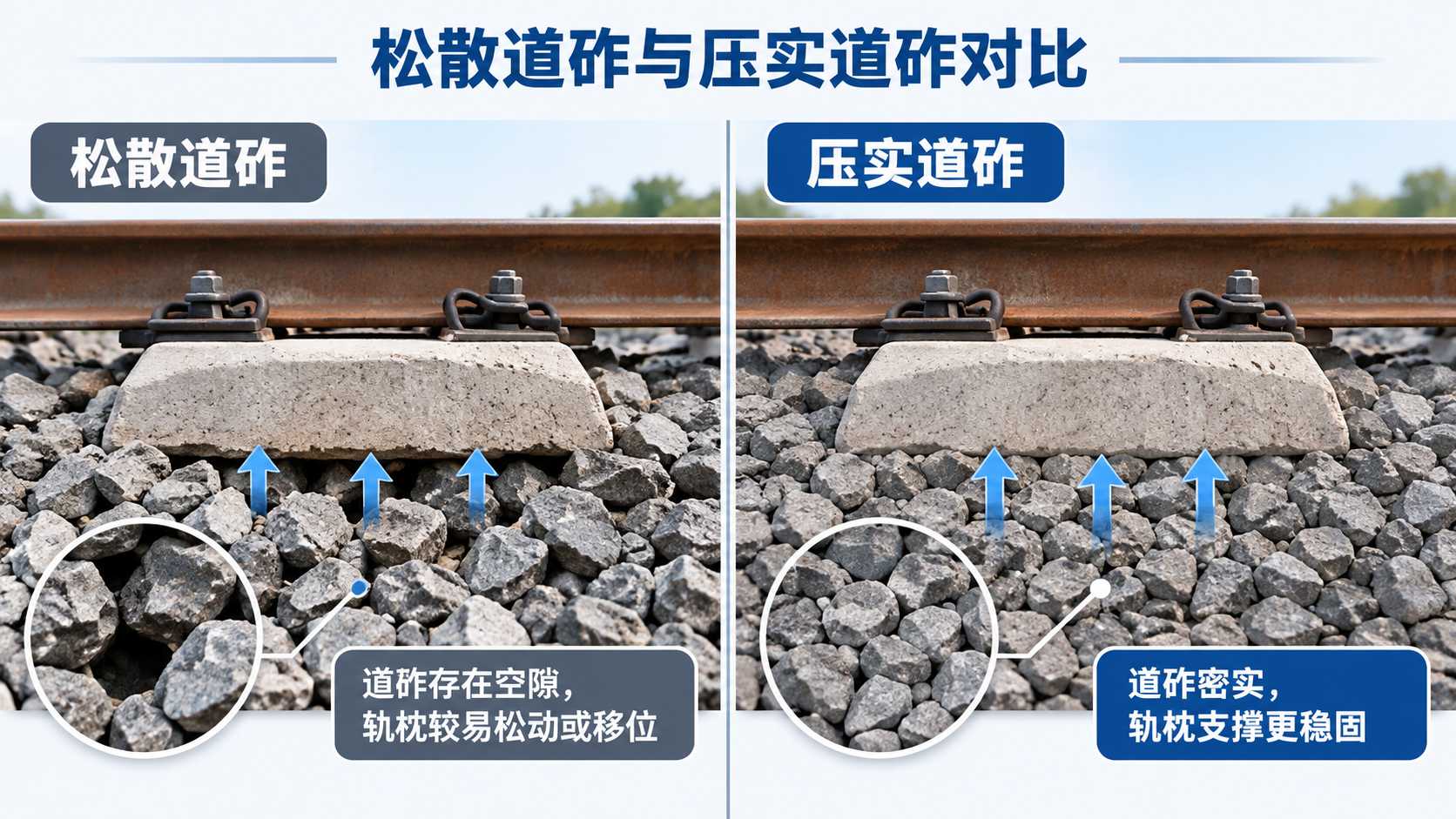
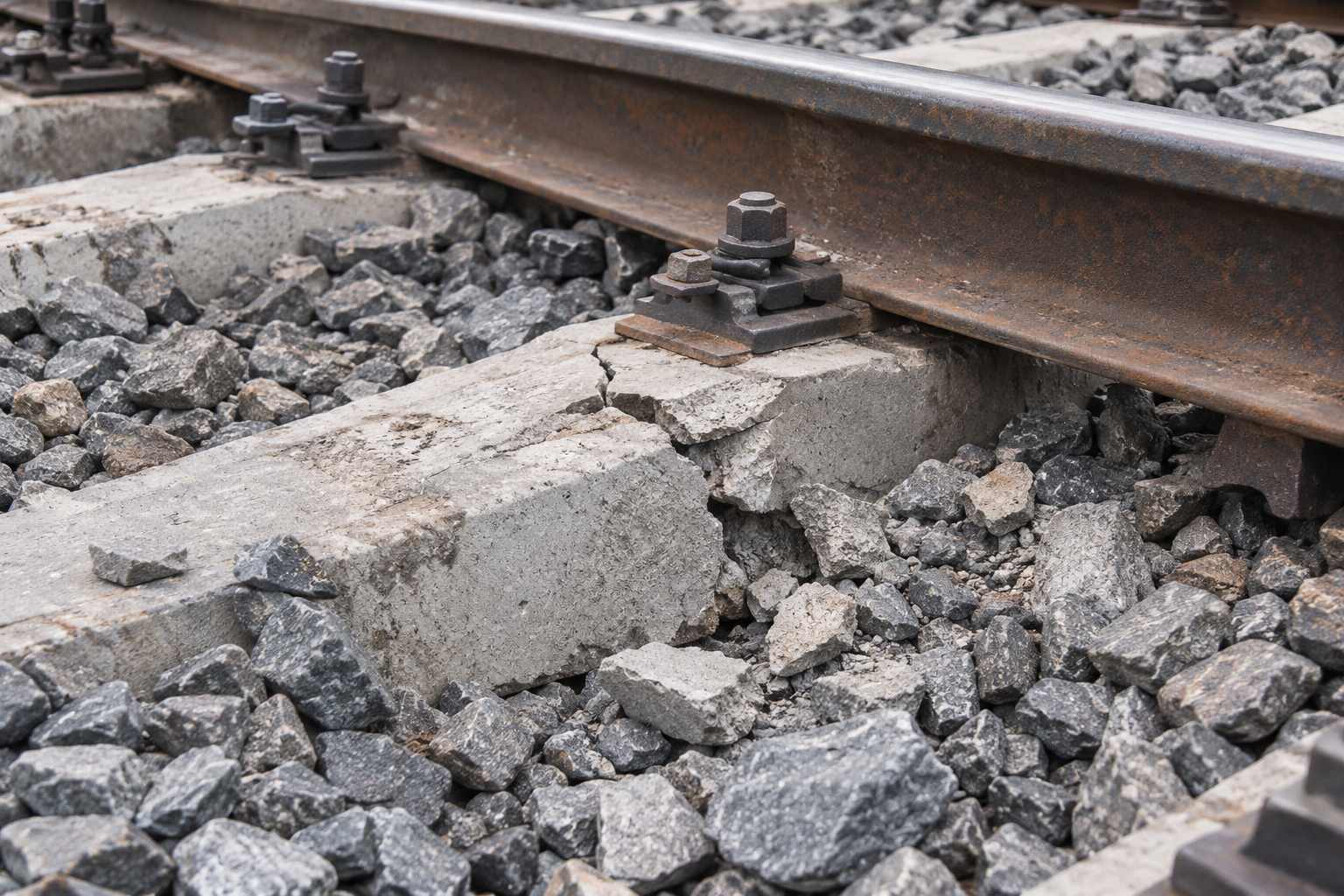
First, sleeper cracking or breakage. Concrete sleepers are brittle under uneven concentrated lifting force. The gripper applies lifting force at two clamping points. If the sleeper base is trapped by dense ballast, upward pull creates bending stress and cracks the concrete sleeper. Broken concrete sleepers must be completely removed and replaced — damaged units cannot remain in track even for temporary service, consuming critical minutes within fixed possession windows. Wooden sleepers may split and lose structural integrity.
Second, unexpected track geometry shift. Tightly interlocked ballast creates high friction across the whole sleeper base. When the gripper cannot pull the sleeper free, the whole track panel may shift sideways, or rails may lift together with the sleeper. After extraction, extra working hours are needed for realignment, tamping and gauge correction, which removes the core efficiency advantage of mechanised replacement. In severe cases, residual track geometry defects trigger post-work speed restrictions and contractual liquidated damages for maintenance contractors.
Third, overload damage to attachments and excavator hydraulic systems. Operators tend to raise hydraulic pressure when the gripper cannot move the sleeper. Continuous high-pressure overload accelerates wear on hoses, seals and pivot pins of the sleeper gripper. Repeated overload leads to sudden attachment breakdown and expensive off-track repairs. For mid-size hi-rail excavators, hydraulic overload is one of the top causes of on-site attachment failure.
There is no single universal density value for global railway work; standards vary in different regions. Based on general maintenance practice: direct sleeper gripper operation carries high risk when ballast bulk density rises above 1.75 t/m³. Sections tamped within the latest 6–12 months usually stay below 1.60 t/m³, the ideal range for sleeper grippers.
Certain track locations easily exceed the safe density threshold. Curved sections are typical: centrifugal force from passing trains continuously compacts the outer rail ballast, making stone interlock tighter than tangent track. Turnouts are another high-density zone; repeated wheel impact gradually packs ballast around every sleeper. Many contractors have learned this lesson: a gripper that works smoothly on straight main track struggles heavily at turnout panels.
Track sections without undercutting or ballast cleaning for over 8 years also carry high risk. Fine fouling materials including dust, clay and worn stone chips fill ballast voids. Fouling fills inter-particle voids with silt, clay and stone dust, raising bulk density even where visual inspection suggests loosely-laid sleepers. Fouled ballast compacts much easier than clean ballast. Even if the sleeper looks loose from the top, a compacted fouled base locks it firmly. Visual checks alone cannot reliably assess compaction level. This hidden trap is rarely mentioned on product brochures.
This does not mean mechanical sleeper replacement is impossible on high-density ballast. You need to change your attachment sequence: pre-loosen ballast with a sleeper rake first. The tines of a sleeper rake rip and pry ballast beside and under sleepers, breaking the interlocked stone layer and creating voids under the sleeper to reduce locking friction. Once ballast is loosened, the sleeper gripper can extract sleepers safely without overload or cracking. This two-step workflow is standard maintenance practice for high-density curves and turnouts.
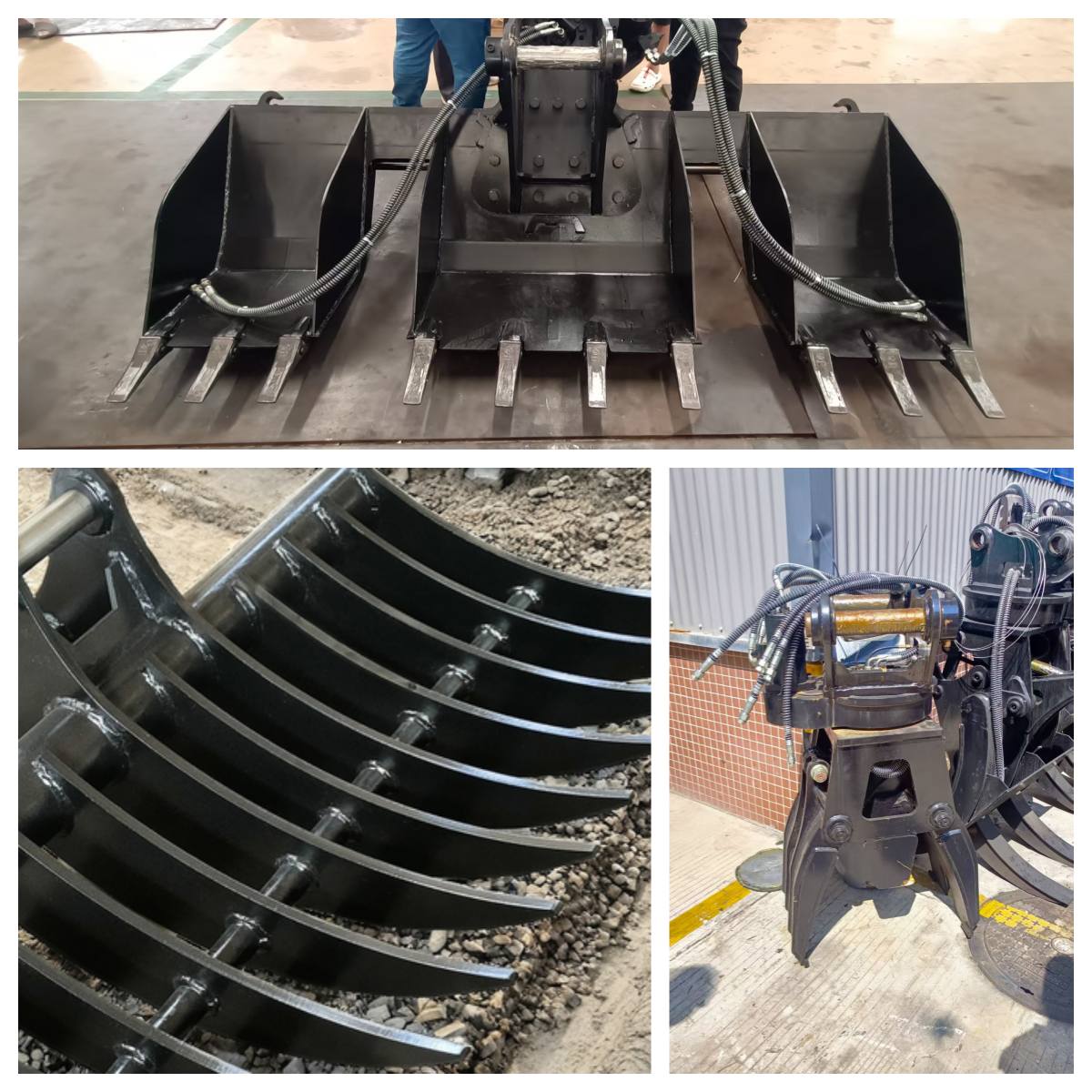
The sleeper rake is not a replacement for the gripper; they form a matched workflow. Grippers deliver high speed on clean loose ballast, while rakes are pre-processing tools for compacted and fouled track. Many railway maintenance fleets keep both attachments on one hi-rail machine, switching flexibly according to ballast condition along the line within a single night possession window.
Watch for on-site warning signs to stop using the gripper immediately: clear cracking sound during lifting, or rails lifting together with the sleeper. Release hydraulic pressure right away. Do not keep increasing pump pressure. Use the rake to clear surrounding ballast before you try extraction again. Experienced operators judge compaction not only by density test data, but also by how easily rake tines penetrate ballast.
Many clients ask whether we can modify sleeper grippers for extra-compacted ballast. There is limited room for modification. Wider jaws or higher system pressure cannot solve the core issue: distributed locking force from compacted ballast. Any modification simply shifts overload stress onto concrete sleepers rather than resolving ballast inter-locking forces. Such alterations typically void attachment manufacturer warranties and introduce unquantified on-site failure risks.
The best practice before tender and site work is sampling and inspecting ballast condition in advance. Arrange direct gripper extraction on straight loose sections; reserve rake pre-loosening for curves, turnouts and heavily fouled compacted zones. Matching attachments to actual ballast condition improves reliability, cuts unexpected delays and avoids post-work speed restrictions.
Railway maintenance machinery is powerful, yet every tool has its engineering limits. Sleeper grippers perform excellently under suitable ballast conditions. Recognising where they are unsuitable separates smooth possession work from costly maintenance incidents.
Host-Machine Selection Criteria for Sleeper-Gripper & Sleeper-Rake Workflows
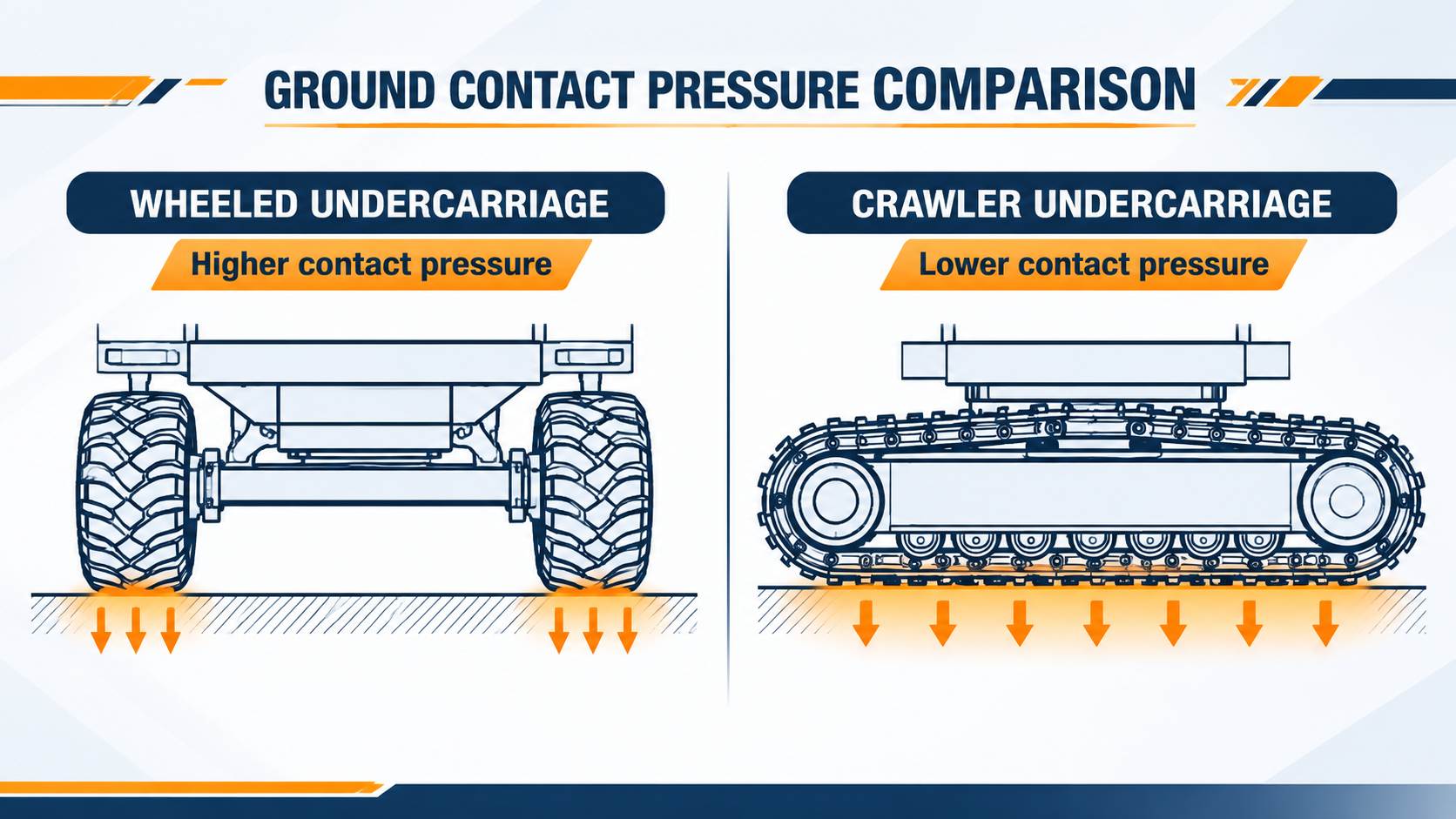
Any hi-rail excavator deployed for combined sleeper-gripper and sleeper-rake tasks requires multi-circuit auxiliary hydraulics to support frequent attachment swaps during night possession. Two 15-ton platform configurations address distinct sub-grade challenges.
JG150ST Wheeled Hi-Rail Sleeper Changing Excavator
The wheeled JG150ST focuses on highway mobility and fast relocation between scattered job sites. It runs on public roads without flatbed transport and switches freely between road travel and on-rail mode. Equipped with multi-circuit auxiliary hydraulics, it can run sleeper gripper, sleeper rake, tamping module and ballast shoulder regulator directly out of factory delivery.
This wheeled platform works best on stable, well-bearing ballast shoulders, commonly found on main lines, freight branches and yard turnout zones. Its compact rear swing radius supports operation in tight clearance around signals and turnout hardware.
Key limitation: The wheeled chassis relies on firm subgrade bearing capacity. Avoid long static operation or parking over softened, heavily fouled ballast where sinking risk exists.
JG150LT Crawler-Type Hi-Rail Excavator
The tracked JG150LT sacrifices independent high-speed road travel for much better ground pressure distribution. Wide track shoes spread machine weight over a larger contact area and reduce sinking risk on soft, fouled or poorly compacted ballast. It targets sites requiring frequent heavy pre-loosening work with sleeper rakes: mountain branch lines, embankment slopes and tunnel track rehabilitation projects.
Long-reach boom delivers deeper undercutting capacity for heavy ballast loosening jobs. All railway attachments including sleeper gripper and sleeper rake share the standard multi-circuit hydraulic interface.
Key limitation: Long-distance highway relocation requires flatbed trailer transport, adding logistical lead time and freight cost.
Quick Selection Table
|
Model |
Chassis Type |
Core Suitable Scenarios |
Main Limitations |
|
JG150ST |
Wheeled hi-rail |
Sleeper renewal on stable compact ballast mainlines, yards & turnouts; frequent cross-site relocation |
Not recommended for long static work on soft/fouled ballast |
|
JG150LT |
Crawler hi-rail |
Soft ballast sections, tunnel track overhaul, heavy-duty pre-loosening with sleeper rake |
Requires flatbed trailer for long-distance road transport |
Note: All technical data for reference only; final delivered configuration prevails.
FAQ
Q1: Can I use a sleeper gripper directly on fouled compacted ballast?
Direct use is not recommended for heavily fouled compacted ballast. Fine silt fills voids and raises compaction level. Use a sleeper rake to clean ballast around and under sleepers before extraction.
Q2: What is the safe ballast density range for sleeper grippers?
Generally below 1.60 t/m³ is ideal. When bulk density reaches 1.75 t/m³ and above, pre-loosening by sleeper rake is mandatory.
Q3: Does the sleeper rake work much slower than the sleeper gripper?
The rake adds one pre-loosening step, but it prevents sleeper breakage and track geometry failure. Overall job efficiency is higher on compacted track sections.
Q4: Can both JG150ST and JG150LT swap between sleeper rake and sleeper gripper quickly?
Yes. Both models are factory fitted with multi-circuit hydraulic valve banks on the dipper arm, supporting on-site attachment swap inside night possession windows.
Q5: Will raising hydraulic pressure let the gripper work on dense ballast?
No. Extra pressure will crack sleepers, deform the gripper or damage the excavator hydraulic system. This is unsafe operation.
Q6: Can ballast bulk-density be reliably judged purely by visual site inspection?
No. Visible gaps around sleeper shoulders do not reflect compaction beneath sleeper bases. Penetration testing or core sampling delivers far more reliable data before tendering.
Conclusion
Sleeper grippers deliver outstanding productivity under suitable ballast conditions, yet they have clear physical density limits. For compacted fouled ballast on curves and turnouts, adopt the two-step workflow: pre-loosen with a sleeper rake, then extract the sleeper with the gripper. This method mitigates sleeper cracking, track shift and hydraulic overload risks.
Select your hi-rail host machine based on real site subgrade conditions. Choose JG150ST if your work focuses on stable ballast lines and you value fast self-propelled relocation. Choose JG150LT if you regularly work on soft ballast, tunnel track rehabilitation and heavy pre-loosening assignments.
CTA: Request Your Project Assessment
Submit your track profile, expected ballast-density range and renewal scope. Our engineering team can provide neutral workflow and equipment recommendations tailored for your possession constraints. Request your free project assessment.


